Friday, May 5, 2023

What is fracture.


visit https://orthopedic-conferences.pencis.com/


A fracture is a medical condition where a bone is broken. It can be caused by accidents, falls, or repetitive stress on the bone. Symptoms include pain, swelling, and difficulty moving the affected area. Treatment options depend on the severity of the fracture, and may include immobilization with a cast or brace, surgery, pain management, and physical therapy.


#FractureAwareness #BoneHealth #InjuryPrevention

Thursday, May 4, 2023

Knee Arthroplasty and surgerying

Knee arthroplasty, also known as knee replacement surgery, is a surgical procedure in which a damaged or diseased knee joint is replaced with an artificial joint. Knee arthroplasty is typically performed on patients who have severe knee pain or limited mobility due to conditions such as osteoarthritis, rheumatoid arthritis, or injury.


During knee arthroplasty, the surgeon removes the damaged portion of the knee joint and replaces it with a prosthetic joint made of metal, plastic, or ceramic materials. The prosthetic joint is designed to mimic the natural movement and function of the knee joint, allowing patients to regain mobility and reduce pain.

There are several types of knee arthroplasty, including total knee replacement, partial knee replacement, and revision knee replacement. The type of arthroplasty used depends on the severity and location of the damage to the knee joint.

Knee arthroplasty is typically performed under general anesthesia and requires a hospital stay of a few days. Physical therapy and rehabilitation are typically required to help patients regain strength and mobility in the affected knee.

Knee arthroplasty is generally considered a safe and effective procedure, but as with any surgery, there are risks involved. These may include infection, bleeding, nerve damage, blood clots, and anesthesia-related complications. Patients should talk to their doctor about the risks and benefits of knee arthroplasty, and what to expect during and after the procedure.


Knee arthroplasty, also known as knee replacement surgery, is a surgical procedure used to treat severe knee pain and limited mobility caused by conditions such as osteoarthritis, rheumatoid arthritis, or injury. During knee arthroplasty surgery, the surgeon replaces the damaged portion of the knee joint with an artificial joint made of metal, plastic, or ceramic materials.

The knee arthroplasty surgery procedure typically involves the following steps:

* Anesthesia: The patient is given anesthesia, which can be general anesthesia or a regional nerve block.


* Incision: The surgeon makes a large incision near the knee joint.


* Preparation: The surgeon removes the damaged portion of the knee joint and prepares the remaining bone for the implant.


* Implant: The artificial joint is implanted into the knee joint and secured in place with cement or other materials.


* Closing the incision: Once the surgery is complete, the incision is closed with sutures or steri-strips.

Knee arthroplasty surgery is generally considered a safe and effective procedure, but as with any surgery, there are risks involved. These may include infection, bleeding, nerve damage, blood clots, and anesthesia-related complications. Patients should talk to their doctor about the risks and benefits of knee arthroplasty surgery, and what to expect during and after the procedure.

Recovery time varies depending on the type of knee arthroplasty surgery and the severity of the condition being treated, but most patients can return to normal activities within a few weeks to a few months after surgery. Physical therapy and rehabilitation are typically required to help patients regain strength and mobility in the affected knee.


#kneearthroplasty
#kneereplacement
#kneesurgery
#jointreplacement
#osteoarthritis
#rheumatoidarthritis
#injuryrehabilitation
#physicaltherapy
#orthopedicsurgery
#jointpainrelief
#postoperativecare
#healthcare
#wellness

Arthroscopy and Arthroscopy surgery

Arthroscopy is a minimally invasive surgical technique that allows doctors to view and treat problems inside a joint using a specialized tool called an arthroscope. An arthroscope is a small camera that is inserted into the joint through a small incision. The camera provides a clear view of the joint on a monitor, allowing the doctor to see any damage or problems inside the joint.

Arthroscopy is commonly used to diagnose and treat problems in the knee, shoulder, hip, ankle, elbow, and wrist. It can be used to treat a wide range of conditions, including torn cartilage, torn ligaments, joint infections, joint inflammation, and bone spurs.

During the arthroscopic procedure, the surgeon will make a small incision near the joint and insert the arthroscope. They will then examine the joint and use small surgical instruments to make any necessary repairs or remove any damaged tissue. The procedure is typically performed under general anesthesia, and most patients can go home on the same day.

One of the advantages of arthroscopy is that it is minimally invasive, which means that it causes less damage to the surrounding tissue than traditional open surgery. This can result in less pain, a faster recovery time, and a lower risk of complications. However, not all joint problems can be treated with arthroscopy, and in some cases, open surgery may be necessary.

Arthroscopy is generally considered a safe and effective procedure, but as with any surgery, there are risks involved. These may include infection, bleeding, nerve damage, and anesthesia-related complications. Patients should talk to their doctor about the risks and benefits of arthroscopy, and what to expect during and after the procedure.


Arthroscopy surgery is a minimally invasive surgical procedure used to diagnose and treat problems in the joints. It involves the use of a small, specialized tool called an arthroscope, which is inserted into the joint through a small incision. The arthroscope contains a camera that provides a clear view of the joint on a monitor, allowing the surgeon to see any damage or problems inside the joint.

Arthroscopy surgery is commonly used to diagnose and treat problems in the knee, shoulder, hip, ankle, elbow, and wrist. It can be used to treat a wide range of conditions, including torn cartilage, torn ligaments, joint infections, joint inflammation, and bone spurs.

The arthroscopy surgery procedure typically involves the following steps:

* Anesthesia: The patient is given anesthesia, which can be general anesthesia or a regional nerve block.


* Incision: The surgeon makes a small incision near the joint.


* Arthroscopy: The arthroscope is inserted into the joint through the incision.


* Diagnosis: The surgeon examines the joint and uses the camera to identify any problems.


* Treatment: The surgeon may use small surgical instruments to make repairs or remove any damaged tissue.


* Closing the incision: Once the surgery is complete, the incision is closed with sutures or steri-strips.

Arthroscopy surgery is generally considered a safe and effective procedure, but as with any surgery, there are risks involved. These may include infection, bleeding, nerve damage, and anesthesia-related complications. Patients should talk to their doctor about the risks and benefits of arthroscopy surgery, and what to expect during and after the procedure. Recovery time varies depending on the type of arthroscopy surgery and the severity of the condition being treated, but most patients can return to normal activities within a few weeks to a few months after surgery.

visit:https://orthopedic-conferences.pencis.com/

#arthroscopy
#minimallyinvasive
#jointsurgery
#kneesurgery
#shouldersurgery
#hipsurgery
#elbowsurgery
#wristsurgery
#tornligament
#tornmeniscus
#jointpain
#jointinflammation
#arthritistreatment
#sportsmedicine
#orthopedicsurgery
#rehabilitation
#healthcare
#wellness


Joint disorders

Joint disorders refer to a wide range of conditions that affect the joints, which are the parts of the body where two or more bones come together. Joints are responsible for facilitating movement and supporting the weight of the body.

Some common joint disorders include osteoarthritis, rheumatoid arthritis, gout, and juvenile idiopathic arthritis. Osteoarthritis is a degenerative condition that occurs when the cartilage that cushions the joints wears down over time, leading to pain and stiffness. Rheumatoid arthritis is an autoimmune disorder that causes inflammation and pain in the joints, as well as other parts of the body. Gout is a type of arthritis that occurs when uric acid crystals build up in the joints, leading to swelling and pain. Juvenile idiopathic arthritis is a type of arthritis that affects children and can cause joint pain, stiffness, and swelling.

Other joint disorders include bursitis, tendinitis, carpal tunnel syndrome, and frozen shoulder. Bursitis is a condition that occurs when the small fluid-filled sacs that cushion the joints become inflamed, causing pain and stiffness. Tendinitis is a condition that occurs when the tendons that attach muscles to bones become inflamed, causing pain and stiffness. Carpal tunnel syndrome is a condition that occurs when the median nerve in the wrist is compressed, causing pain, numbness, and tingling in the hand and fingers. Frozen shoulder is a condition that occurs when the capsule of connective tissue surrounding the shoulder joint becomes inflamed and stiff, causing pain and restricted movement.

Treatment options for joint disorders vary depending on the type and severity of the condition, but may include rest, physical therapy, medication, or surgery. Management of joint disorders often involves a multidisciplinary approach, with healthcare providers such as rheumatologists, orthopedic surgeons, physical therapists, and occupational therapists working together to provide comprehensive care.


Here are some of the most common joint disorders:

* Osteoarthritis: This is the most common type of joint disorder, affecting millions of people worldwide. It occurs when the cartilage that cushions the joints wears down over time, leading to pain and stiffness.


* Rheumatoid arthritis: This is an autoimmune disorder that causes inflammation and pain in the joints, as well as other parts of the body. It affects about 1% of the population and is more common in women than men.


* Gout: This is a type of arthritis that occurs when uric acid crystals build up in the joints, leading to swelling and pain. It typically affects the big toe, but can also affect other joints in the body.


* Bursitis: This is a condition that occurs when the small fluid-filled sacs that cushion the joints become inflamed, causing pain and stiffness.


* Tendinitis: This is a condition that occurs when the tendons that attach muscles to bones become inflamed, causing pain and stiffness.


* Carpal tunnel syndrome: This is a condition that occurs when the median nerve in the wrist is compressed, causing pain, numbness, and tingling in the hand and fingers.


* Frozen shoulder: This is a condition that occurs when the capsule of connective tissue surrounding the shoulder joint becomes inflamed and stiff, causing pain and restricted movement.


* Juvenile idiopathic arthritis: This is a type of arthritis that affects children and can cause joint pain, stiffness, and swelling.


* Ankylosing spondylitis: This is a type of arthritis that primarily affects the spine, causing inflammation and stiffness.


* Psoriatic arthritis: This is a type of arthritis that occurs in people with psoriasis, a skin condition. It causes joint pain, stiffness, and swelling, as well as skin lesions.

These are just some of the many types of joint disorders that can affect the body. Treatment options vary depending on the type and severity of the condition, but may include rest, physical therapy, medication, or surgery.


#jointdisorders
#arthritis
#osteoarthritis
#rheumatoidarthritis
#gout
#bursitis#tendinitis
#carpaltunnelsyndrome
#frozenshoulder
#ankylosingspondylitis
#psoriaticarthritis
#juvenileidiopathicarthritis
#painmanagement
#physicaltherapy
#occupationaltherapy
#rheumatology
#orthopedics
#healthcare


The hand and upper extremity

The hand and upper extremity refer to the parts of the body including the hand, wrist, forearm, elbow, upper arm, and shoulder. These structures are important for many daily activities, such as reaching, grasping, lifting, and carrying objects, as well as for more complex tasks that require fine motor skills, such as writing, drawing, and playing musical instruments.

In medicine, the hand and upper extremity are often studied as a separate specialty within orthopedic surgery or plastic surgery. Physicians who specialize in this area may diagnose and treat a wide range of conditions, injuries, and diseases that affect the hand and upper extremity, such as fractures, dislocations, nerve injuries, tendon injuries, arthritis, and congenital deformities. Treatment options may include surgery, medication, physical therapy, occupational therapy, and other forms of rehabilitation and support.


The hand and upper extremity are parts of the body that include the hand, wrist, forearm, elbow, upper arm, and shoulder. They are important for performing many everyday activities and tasks that require fine motor skills and strength.


The hand consists of 27 bones, and its intricate structure allows for a wide range of movements and functions. The wrist is composed of eight small bones that connect the hand to the forearm, and it is responsible for flexion, extension, and rotation of the hand. The forearm contains two bones, the radius and the ulna, that allow for supination and pronation of the hand.

The elbow is a hinge joint that connects the forearm to the upper arm and allows for flexion and extension of the arm. The upper arm consists of the humerus bone, which connects to the shoulder blade and allows for movements such as abduction, adduction, and rotation of the arm. The shoulder is a complex joint that connects the upper arm to the rest of the body and allows for a wide range of movements, including flexion, extension, abduction, adduction, and rotation.

Injuries and conditions that affect the hand and upper extremity can range from minor sprains and strains to severe fractures, dislocations, and nerve injuries. Treatment options depend on the severity and nature of the injury or condition and may include rest, physical therapy, medication, surgery, or a combination of these approaches.


The hand and upper extremity are essential parts of the body responsible for performing many complex movements and activities.

The hand is composed of bones, muscles, tendons, and ligaments that work together to provide a wide range of functions, such as grasping, gripping, and manipulating objects with precision. It also contains sensory receptors that allow us to feel textures, temperatures, and pain.

The wrist joint is located between the hand and the forearm and is responsible for allowing flexion, extension, adduction, and abduction movements of the hand. The forearm contains two long bones called the radius and ulna, which work together to allow rotation of the wrist and hand.

The elbow joint connects the upper arm bone (humerus) to the two forearm bones (radius and ulna) and is responsible for flexion and extension movements of the arm. The shoulder joint is a ball-and-socket joint that connects the upper arm bone to the shoulder blade and allows for a wide range of movements, including abduction, adduction, flexion, extension, and rotation of the arm.

Injuries and conditions that affect the hand and upper extremity can range from minor sprains and strains to severe fractures, dislocations, and nerve injuries. Treatment options depend on the nature and severity of the injury or condition and may include rest, immobilization, physical therapy, medication, or surgery.

visit:https://orthopedic-conferences.pencis.com/

#handandupperextremity
#orthopedicsurgery
#plasticsurgery
#handtherapy
#occupationaltherapy
#physicaltherapy
#shoulderinjury
#elbowinjury
#wristinjury
#handinjury
#carpaltunnel
#tendinitis
#arthritis
#rehabilitation
#sportsmedicine
#ergonomics
#fine motorskills

These hashtags can help make your posts more discoverable to people who are interested in the hand and upper extremity or related topics in medicine and healthcare.


Types of Bone & Joint Infections


NYU Langone physicians are experienced in identifying and treating bone infections, known as osteomyelitis, and joint infections, or septic arthritis. These infections begin when disease-carrying bacteria enter the body, often after a trauma or a surgical procedure, and spread to the bones and joints through the bloodstream. Without prompt treatment, bone and joint infections can become long-term conditions.

Osteomyelitis

Osteomyelitis often occurs when an infection elsewhere in the body, such as a urinary tract infection or pneumonia, spreads through the blood to the bones. Sometimes, a recent surgery, an injection around a bone, or an open fracture—when a bone punctures the skin—can expose bone to bacteria, causing osteomyelitis.

An open wound over a bone can also lead to osteomyelitis. This condition is most common in people who have diabetes and diabetic foot ulcers. It also can develop in people who have peripheral neuropathy, in which nerve damage makes it difficult to detect an injury in the limbs.


Initially, osteomyelitis develops rapidly and is usually accompanied by pain, fever, and stiffness. Chronic osteomyelitis progresses slowly and may be the result of a previous bone infection. Despite multiple courses of antibiotics, the condition may return if the bacteria causing the infection become resistant to antibiotics. Symptoms of chronic osteomyelitis may include fever, pain, and redness or discharge at the site of the infection.

Adults are more likely to develop osteomyelitis in the vertebrae—the bones of the spine—or in a part of the body where they’ve previously had surgery for a fracture or had joint replacement.

Adults tend to develop chronic symptoms, such as pain at the site of injury or surgery. They may also experience tenderness, swelling, warmth, or redness over the affected bone. People with diabetes or peripheral neuropathy may not have pain or a fever, but they may notice that an injured area of skin, such as a foot ulcer, is not healing.

In children, osteomyelitis usually affects the long bones in the legs and upper arms, including the femur and the humerus. Symptoms may include fever, chills, redness at the site of infection, pain or tenderness over the affected bone, and difficulty using the affected limb. They may, for instance, have trouble walking due to severe pain in the legs.

Septic Arthritis

Septic arthritis is the inflammation of a joint due to a bacterial or fungal infection. The condition occurs when a penetrating injury, such as a puncture wound, occurs near or above a joint, allowing bacteria to directly enter the joint. Bacteria can also spread through the bloodstream to a joint from a recent infection or after surgery.

It often affects the joints near long bones in the legs and arms. These include the hip, knee, and ankle joints and the shoulder, elbow, and wrist joints. The infection can also occur in the spine, pelvis, and heels.

Infants and older adults are most vulnerable to septic arthritis due to their anatomy and blood supply to the joints. The knee and hip are the most commonly affected joints in adults, whereas the hip is the most common site of infection in infants.

Septic arthritis can quickly cause severe damage to the cartilage and bone within a joint. Prompt treatment is critical for preventing permanent joint damage.

Symptoms are usually severe and include fever, redness, and swelling at the joint and intense pain that worsens with movement. In infants, symptoms may include a fever, the inability to move the limb with the infected joint, and crying when the infected joint is moved. For instance, infants with septic arthritis in a hip joint may cry when having a diaper change.

Our Research and Education in Bone and Joint Infections


Learn more about our research and professional education opportunities.
Orthopedic Surgery Research
Orthopedic Surgery Training

#boneandjointinfections #infectiousdiseases #orthopedics

Wednesday, May 3, 2023

What is Joint Disorders

What are joints?

Your joints are places where two or more bones come together. Your shoulders, elbows, hips, knees, and knuckles are all joints. Your spine has joints, too.

But joints are more than bones. They include the soft tissues around them, such as cartilage, tendons and ligaments. Cartilage is the hard slippery flexible tissue that covers the ends of your bones at a joint. Tendons are tough, flexible bands that connect your muscles to your bones so you can move your joints. Ligaments connect the bones of the joint to each other to keep them stable when you move.

What are joint disorders?

Joint disorders are diseases or injuries that affect your joints. Injuries can happen because of overuse of a joint. Or you could have a sudden injury, such as an accident or a sports injury.


What diseases can affect the joints?

Many diseases can affect the joints. They often cause joint pain and make your joints stiff, red, or swollen. Most of them are chronic. That means they last a long time. Some may never go away completely. Some of the diseases that affect the joints include:Arthritis. Arthritis may cause joint pain and swelling. There are many types of this disease. Osteoarthritis is the most common type. Over time, arthritis can cause severe joint damage. It can affect people of all ages. A joint injury when you're young may cause osteoarthritis later in life.
Lupus. This autoimmune disease affects many parts of the body and can cause joint and muscle pain. Some types of lupus often cause arthritis.
Sjögren's Syndrome. This autoimmune disease affects glands that make moisture in many parts of the body. The main symptoms are dry eyes and mouth, but it often causes joint pain, too.

Treatments are different depending on the disease. But most treatments include medicines and therapies to relieve pain and other symptoms.

What types of joint disorders happen from sudden injuries?

Joint disorders from sudden injuries include:Sprains and strains. Sprains are stretched or torn ligaments. Acute strains are stretched or torn muscles or tendons that happen from a sudden injury or movement, such as lifting a heavy object.
Dislocated joints. A joint is dislocated when the bones are pushed or pulled out of position. A joint dislocation is a medical emergency.

Treatment depends on the type of injury. You can treat many sports injuries at home. But you should call your health care provider if you:Have a lot of joint pain, swelling or numbness
Can't put weight on the joint
Have pain from an old injury with more swelling, an unstable joint, or a joint that isn't normal in another way

What types of joint disorders happen from overuse?

Overuse injuries usually damage the soft tissues of the joint. They can happen when you work a joint too hard by doing the same movements over and over. For example, you could get an overuse injury from playing a musical instrument, playing sports, or doing certain jobs, such as carpentry or painting.

Joint overuse injuries include:Bursitis. The bursa is a small fluid-filled sac. It works as a pad between the bones of a joint and the moving parts around it, such as muscles, tendons and skin. With bursitis, the bursa becomes irritated and swollen with extra fluid. Overuse is the most common cause, but injuries, infections and other conditions, such as arthritis, can cause bursitis.
Tendinitis. This condition happens when you overuse a tendon. It swells and makes the joint painful to move.
Chronic strain. A strain becomes chronic when your muscles or tendons stretch or tear slowly over time from repeating the same movements.

The treatments for bursitis, tendinitis, and chronic strain are often the same. They usually include rest, keeping the injured joint higher than your heart, and taking medicine to reduce swelling. Your provider may recommend gentle exercise and other treatment. In some cases, your provider may suggest an injection (a shot) of medicine into the joint. If these do not help, you may need surgery.

How can I keep my joints healthy?

Getting enough physical activity is one of the most important things you can do to prevent or slow joint disorders. Activity strengthens the muscles around your joints and helps them work better.

When you play sports, wear the right equipment to protect your joints, such as knee pads. If you already have joint problems, ask your provider what type of activities are best for you.


Visit:https://orthopedic-conferences.pencis.com/

#JointDisorders
#Arthritis
#Osteoarthritis
#RheumatoidArthritis
#Gout
#Bursitis
#Tendinitis
#CarpalTunnelSyndrome
#JointPain
#JointHealth

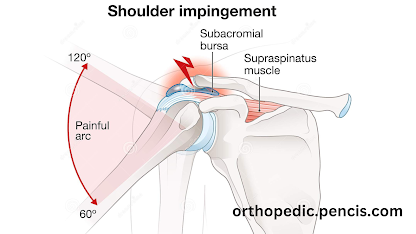
Impingement

Impingement refers to a medical condition characterized by the compression or pinching of soft tissues, such as tendons or bursae, between ...